Bee Control

Responsible Bee Control in Gloucester

Finding bees nesting in your roof, wall, bird box or garden can be worrying, especially if you have children, pets or someone in the family with a sting allergy. But bees are vital pollinators, and many species are in decline, so they need a different approach from other pests. Gloucester Pest Controllers offers responsible bee control across Gloucestershire. We identify the bees, explain your options honestly and choose the solution that keeps you safe while protecting bees wherever we can.

In many cases the best answer isn’t treatment at all. Bees are often less of a risk than people fear, and a lot of the “bee” calls we receive turn out to be wasps, which we can treat straight away.

Identifying the Bees on Your Property

The right solution depends entirely on which bees you have:

  • Honeybees — Slim, golden-brown bees that live in large colonies. In late spring and early summer, colonies can swarm, with thousands of bees clustering on a branch, fence or wall while scouts look for a new home. Swarms are usually calm and often move on within a day or two.
  • Bumblebees — Large, round, furry bees. Their nests are small and short-lived, lasting only a few months before dying off naturally in late summer. Bumblebees are generally gentle and rarely sting unless handled.
  • Tree bumblebees — A common species with a ginger body, black abdomen and white tail, often found nesting in bird boxes, under roof tiles and in eaves. Males may hover around the entrance, but they can’t sting.
  • Solitary bees — Masonry and mining bees nest individually in old mortar, soft brickwork or bare soil. They’re harmless, very rarely sting and don’t form colonies.

If you’re unsure, send us a photo or short video. We’ll identify the insects and tell you whether action is really needed.

Our Responsible Approach

For honeybee swarms, we’ll put you in touch with a local beekeeper or swarm collector, who can often collect the swarm safely and give the bees a new home. Established honeybee colonies inside walls or chimneys are more complex. Removing one can involve opening up the structure, so we’ll advise you on the best route, which may involve a specialist beekeeper.

For bumblebees and tree bumblebees, our advice is usually to leave the nest alone if it’s not causing a direct risk. It will die off naturally within weeks. Where a nest is in a genuinely dangerous spot, we can advise on relocation options.

For solitary bees, no treatment is needed. Repointing worn mortar in autumn, once the bees have finished nesting, will stop them using the same spot next year.

We only consider treating bees in exceptional circumstances, for example where there’s a serious risk to someone with a severe allergy and no other safe option. Any treatment follows industry guidance, including sealing the nest afterwards so other bees can’t reach it.

What You Can Expect From Our Bee Service

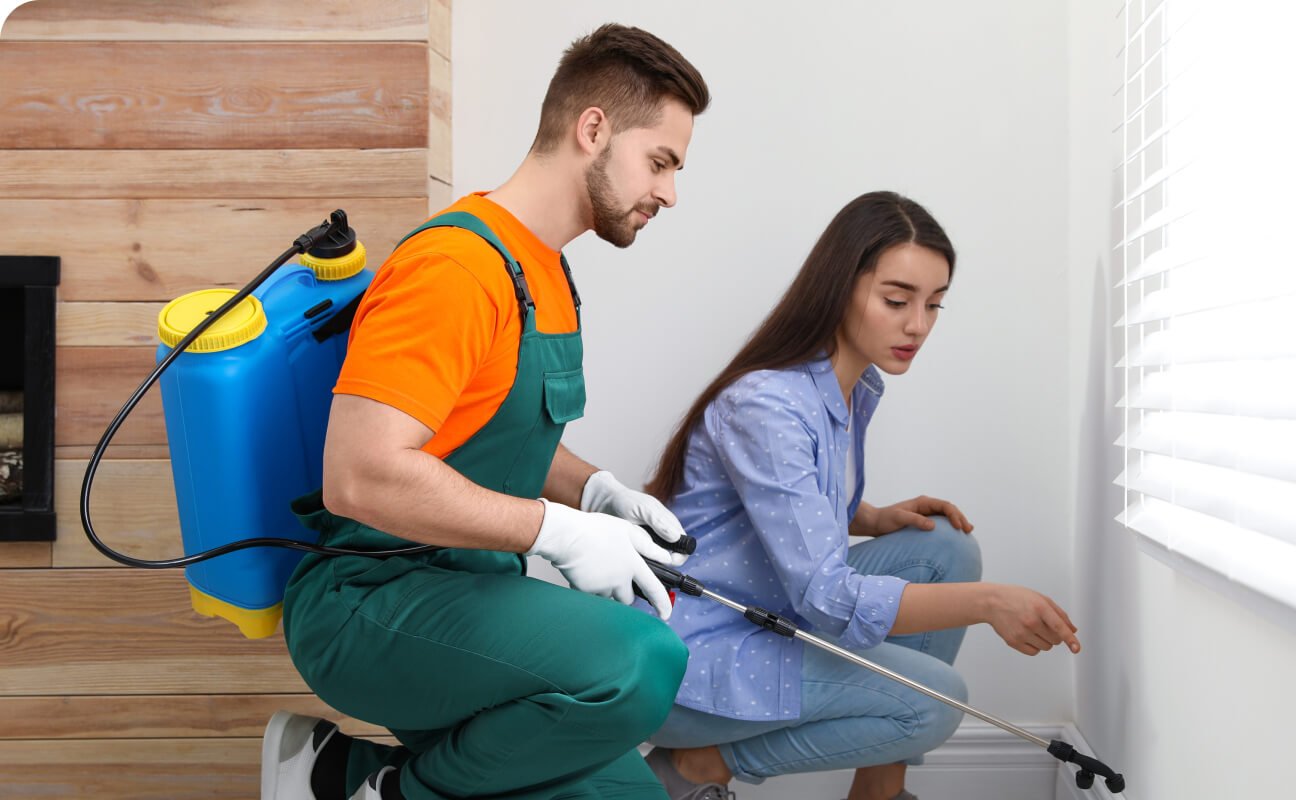
We protect your household and look after the bees at the same time.

  • Expert Identification — Confirming whether you have bees or wasps, and which species
  • Honest Advice — Telling you when action is genuinely needed and when it isn’t
  • Swarm Referral — Connecting you with local beekeepers for honeybee swarms
  • Safe Solutions — Relocation or proofing where possible, treatment only as a last resort
  • Prevention Guidance — Repointing and proofing to avoid future nests

Living Safely With Bees

  • Keep children and pets away from nest entrances and avoid blocking them
  • Don’t spray shop-bought insecticides into nests, which can make bees defensive
  • Avoid mowing or strimming right next to ground nests
  • Seal gaps in eaves and brickwork once nests have been vacated
  • If someone in your home is allergic to stings, make sure their medication is on hand and call us for advice

Why Choose Us for Bee Problems?

Many pest control companies treat every bee call the same way. We don’t. Our technicians are trained to identify bee species accurately and to recommend the least harmful solution that keeps your household safe. We have links with local beekeepers who can collect honeybee swarms, and we’ll always be honest when no action is needed. Where a nest genuinely has to be dealt with, we follow industry guidance and seal the site afterwards to protect other bees. If it turns out to be wasps after all, we can usually treat the nest on the same visit.

Subscribe To Our Latest Pest Control Tips

Get helpful pest prevention tips, seasonal updates, and expert advice delivered to your inbox.

+123 (4567) 890
info@example.com
123 Wellness Street, New York
Working Hours

Bee Control FAQs

We offer safe, dependable pest control across Gloucester and Gloucestershire. Here are answers to the questions we’re asked most.

Still have any question?
call or email us

Only as a last resort in exceptional circumstances. Most bee problems can be solved without harming them.